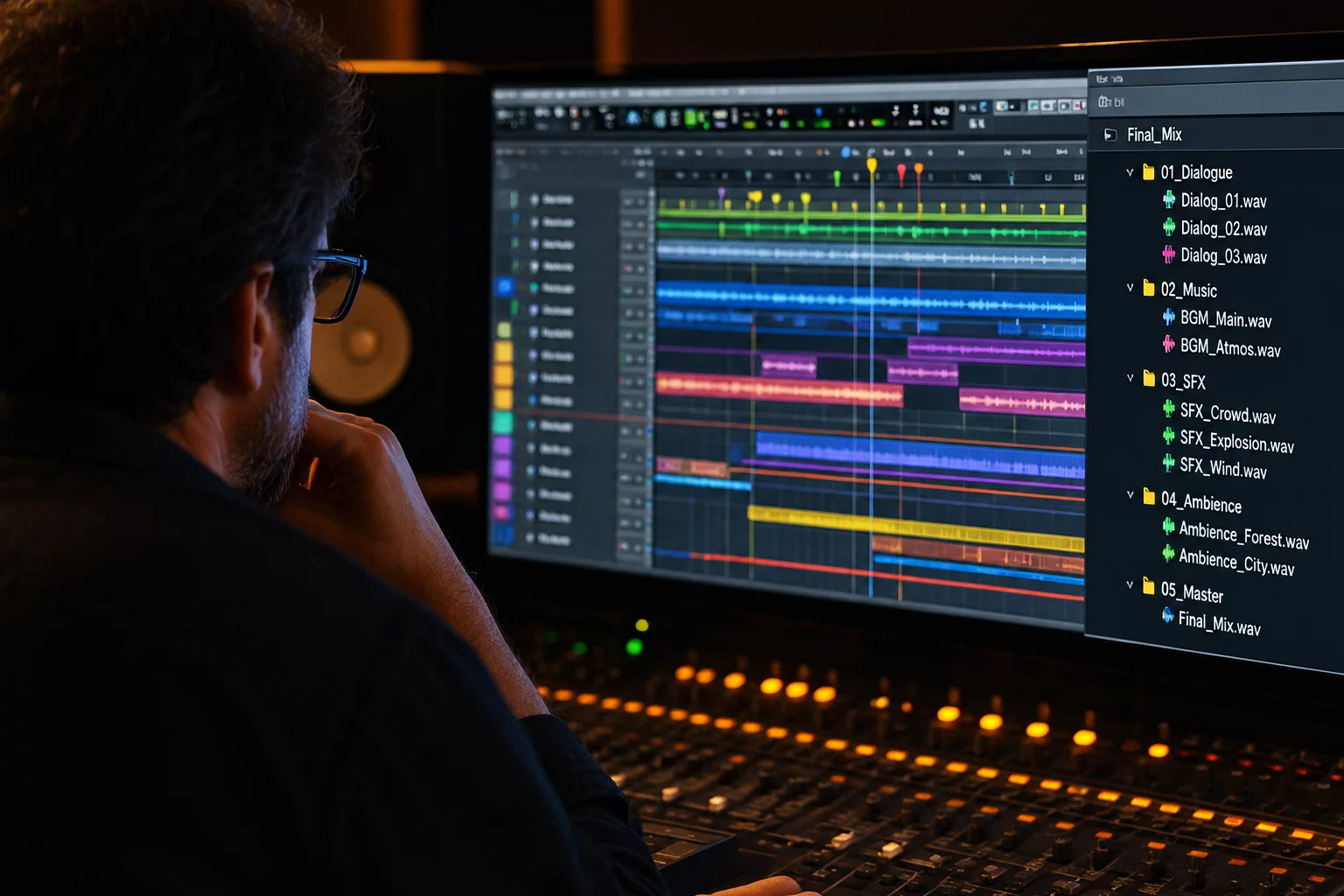
Editorial Protocol: Zero-Ambiguity Handoff Framework
Audio post turnovers frequently stumble not during creative mixing, but during asset handoffs where undocumented mute automation, unassigned stems, or orphan audio clips create confusion. Establishing an uncompromising closeout ritual ensures that the incoming mix team, re-recording stage, or mastering house opens a session that functions predictably on their hardware without requiring emergency phone calls.
Defining Track Ownership and Timeline Pinning
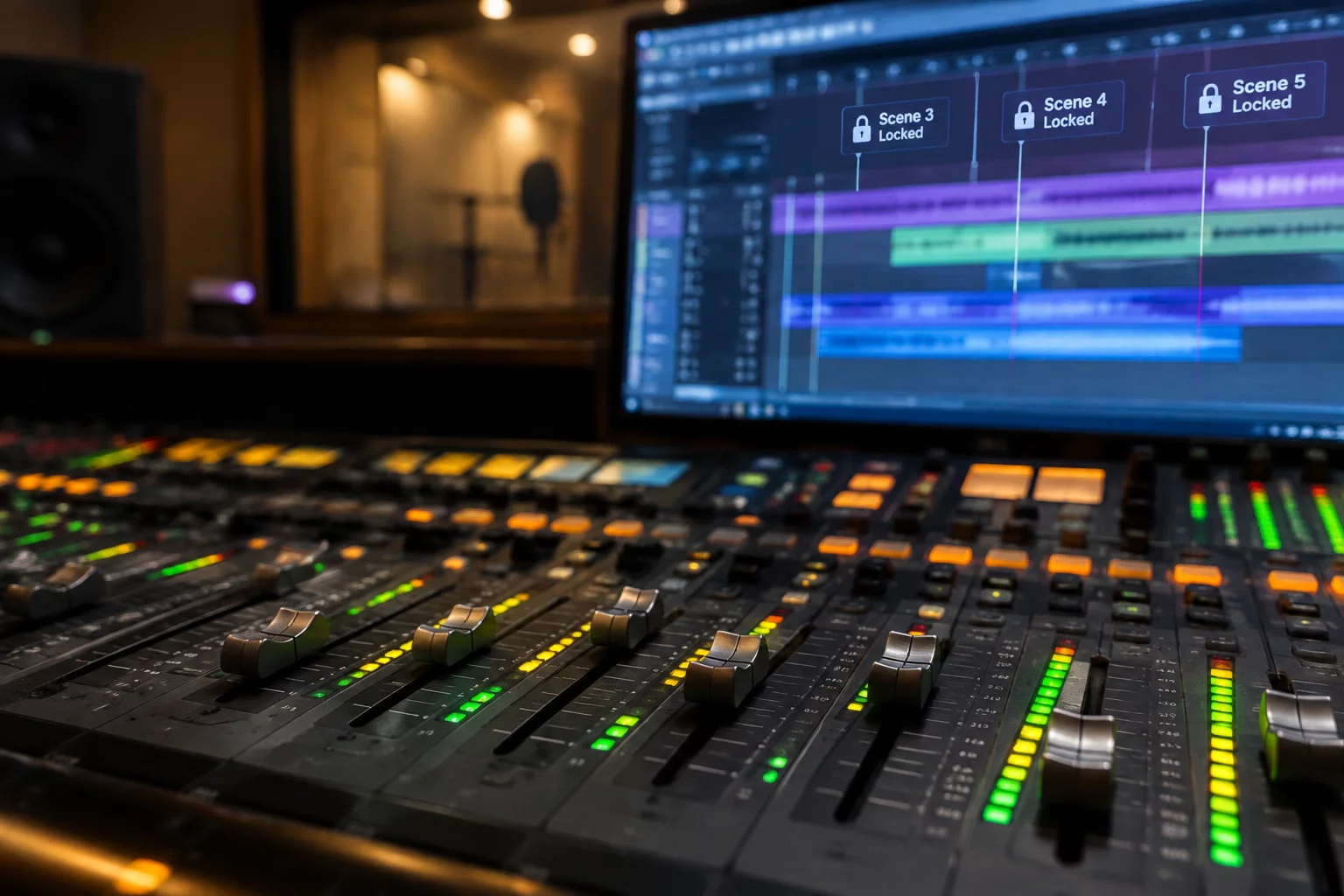
Every routing folder and stem master track within Pro Tools must contain an explicit discipline owner stamped directly in its track comments or primary milestone marker. When a sound supervisor, lead dialogue editor, or Foley designer stamps their initials alongside delivery dates, downstream mix engineers immediately know who cleared specific headroom spikes or dialogue fill decisions. Utilizing vertical Track Pin view locking prevents key reference buses and timecode print tracks from sliding out of visible frame during closeout inspections.
A session turnover is only as clean as its unresolved flags. If an editor leaves ambiguous scratch markers on an unrendered vocal bus, the re-recording stage wastes billable room hours guessing intent.
Generating the Machine-Readable Readme Export
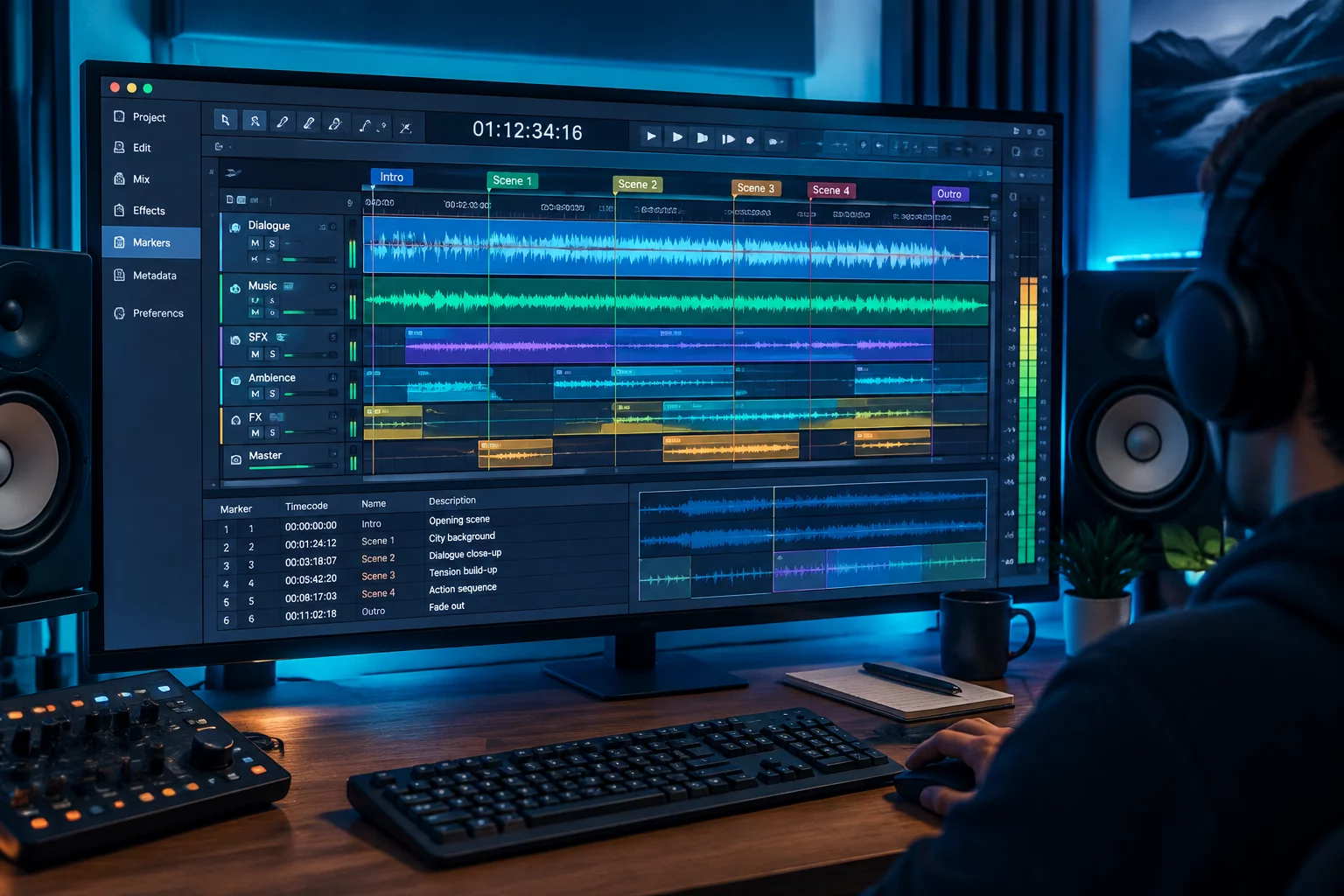
Manual note transcription introduces human error during frantic delivery deadlines. By structuring timeline notes strictly into Pro Tools Track Markers—annotating marker ruler names with timeline points, folder targets, and pending actions—engineers can export a marker text report directly from the DAW. This data automatically forms the core of the session README document, presenting timecode stamps, responsible leads, and stem channel configurations in a uniform layout.
- Consolidate all alternate takes and purge inactive playlist clutter before staging final vault exports.
- Convert all internal plugin routing and aux stems into verified continuous print tracks with uniform 2-pop sync.
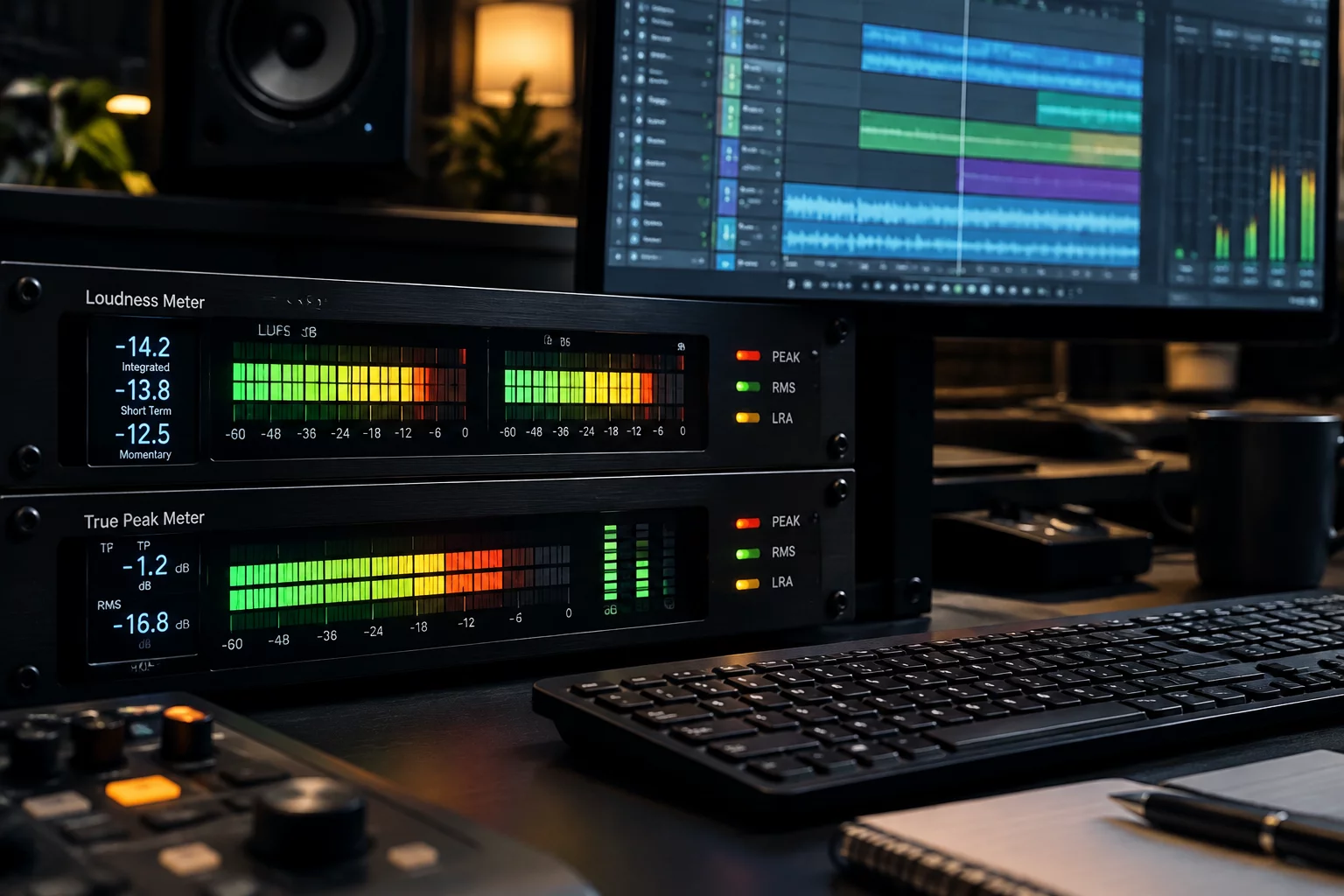
- Verify that track comments, sample rates (48kHz/96kHz), and bit depths adhere strictly to the studio project turnover contract.
Completing this checklist establishes a permanent, traceable paper trail inside the archive directory. It bridges the gap between editorial tracking and mixing console operations, preserving project integrity whether the session is re-opened next week or five years later for an archival remaster.
Engineering Notes & Discussion
This could be your first comment.
Leave Field Note