Session Closeouts September 11, 2026

Broadcast Delivery Compliance and Loudness Anchor Verification

Practical protocols for anchoring dialogue gated loudness, integrated LUFS targets, and true-peak compliance flags within DAW timelines before final handoff.

SPECIFICATION • TIMELINE PINNING • REVISION DISCIPLINE • STEM HANDOFF • AUDIT PROTOCOL
AUDIT LOCKED
Broadcast Delivery Compliance and Loudness Anchor Verification
DAW Timeline Sync
Author: Elena Rostova 8 Min Read 1 Comments

Final Stem Compliance & Dialogue Gating Protocols

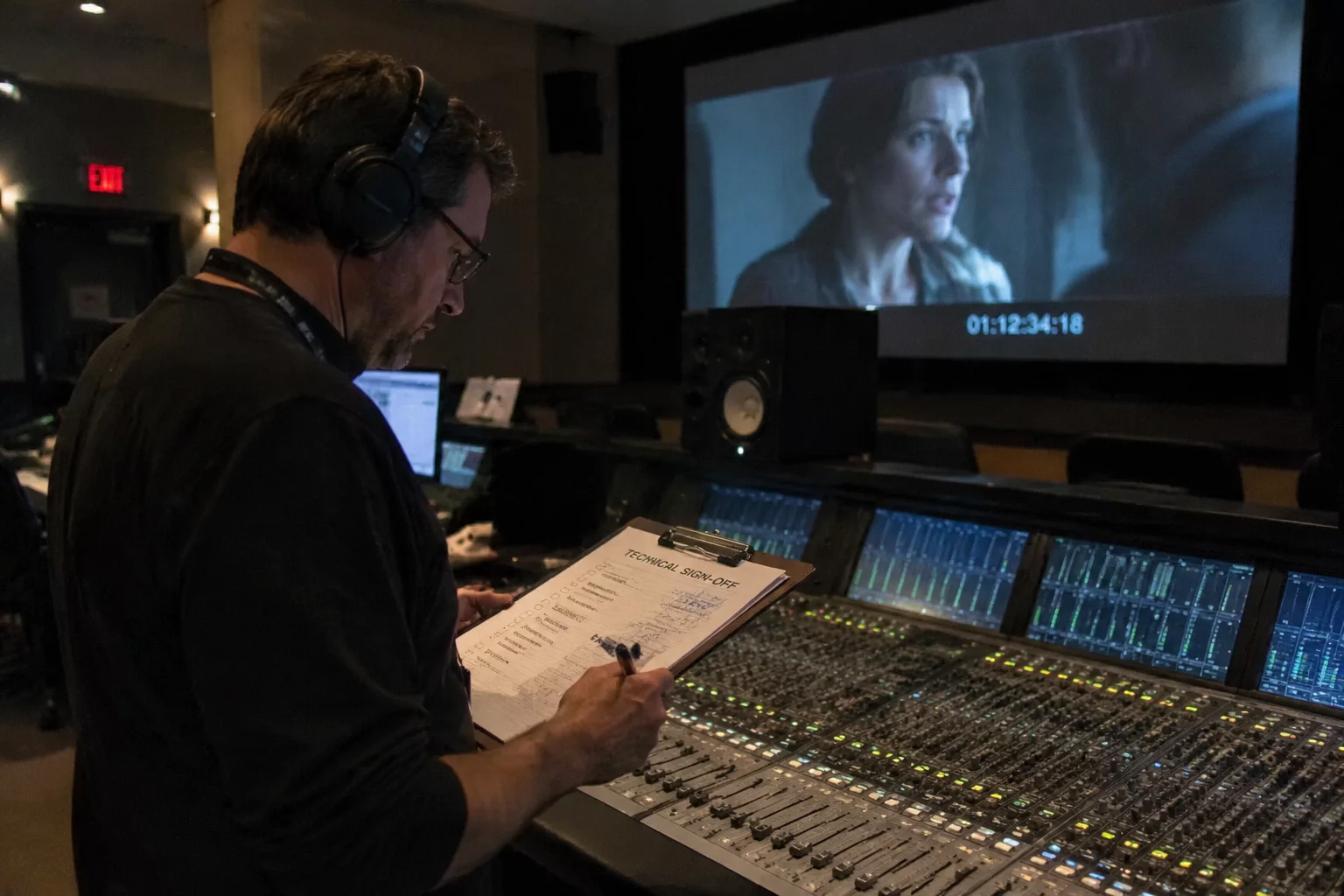
Delivering broadcast stems demands uncompromising adherence to delivery specifications without compromising emotional mix dynamics. This protocol details how to verify integrated LUFS targets, anchor dialogue gate measurements, and mark transient true-peak exceptions on dedicated timeline tracks.

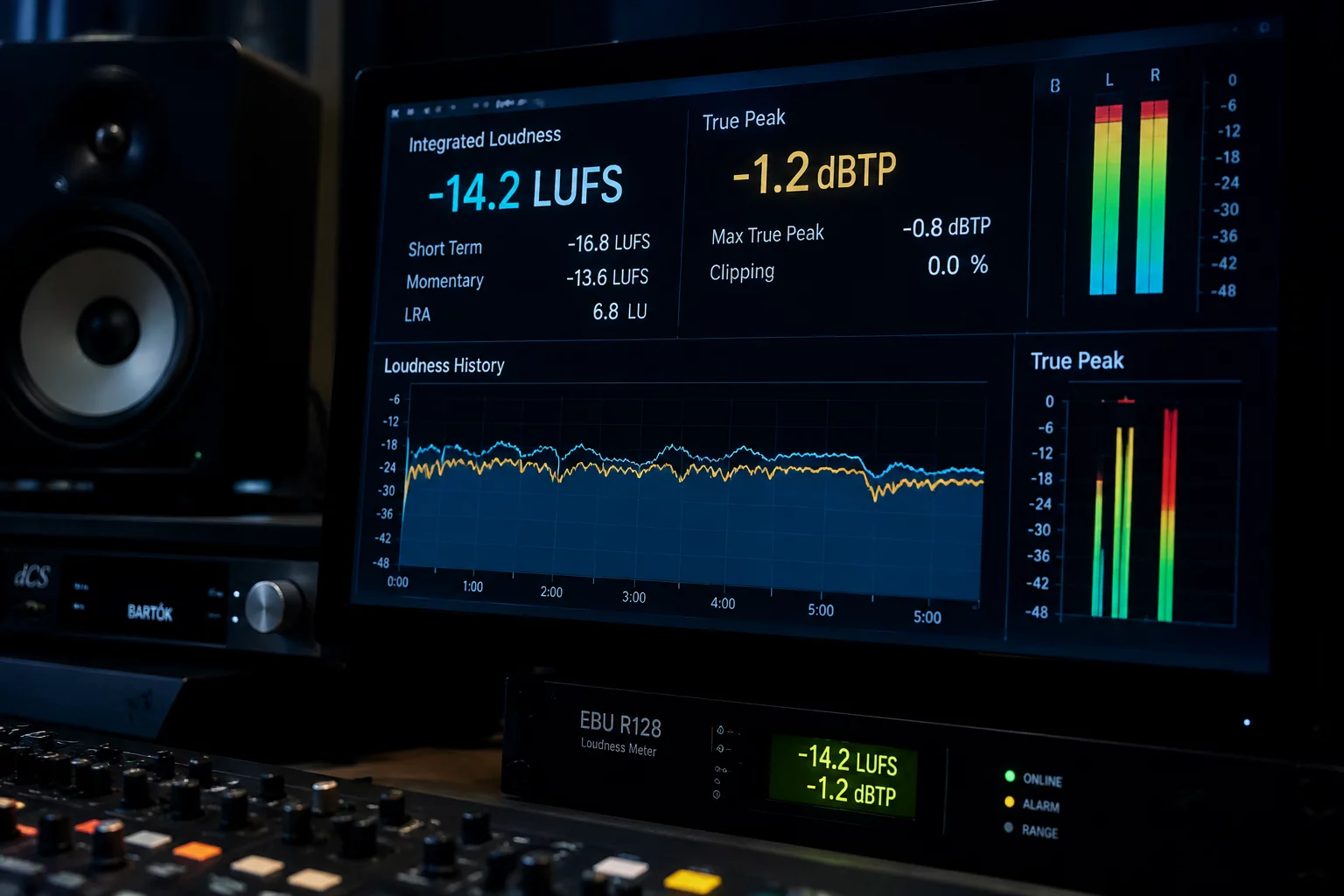
EBU R128 (-23 LUFS) & ATSC A/85 (-24 LKFS) Target Validation Dialogue-Anchored Gating with Locked Pin Timeline Tracks True-Peak Margin Ceiling Checked at -1.0 dBTP / -2.0 dBTP

Broadcast Loudness Standards & Marker Handshake

Modern broadcast delivery leaves no room for ambiguous level turnovers. Delivering a multi-track master or full-mix stem bundle to streaming distributors and terrestrial networks requires precise verification against regional standards—predominantly EBU R128 in Europe (-23.0 LUFS ±0.5) and ATSC A/85 in North America (-24.0 LKFS). The primary breakdown during post-production turnovers happens when dialogue gating is measured across inconsistent timeline ranges or when compression pushes transient true peaks past transmission ceilings.

Anchoring Dialogue Gating and True-Peak Ceilings

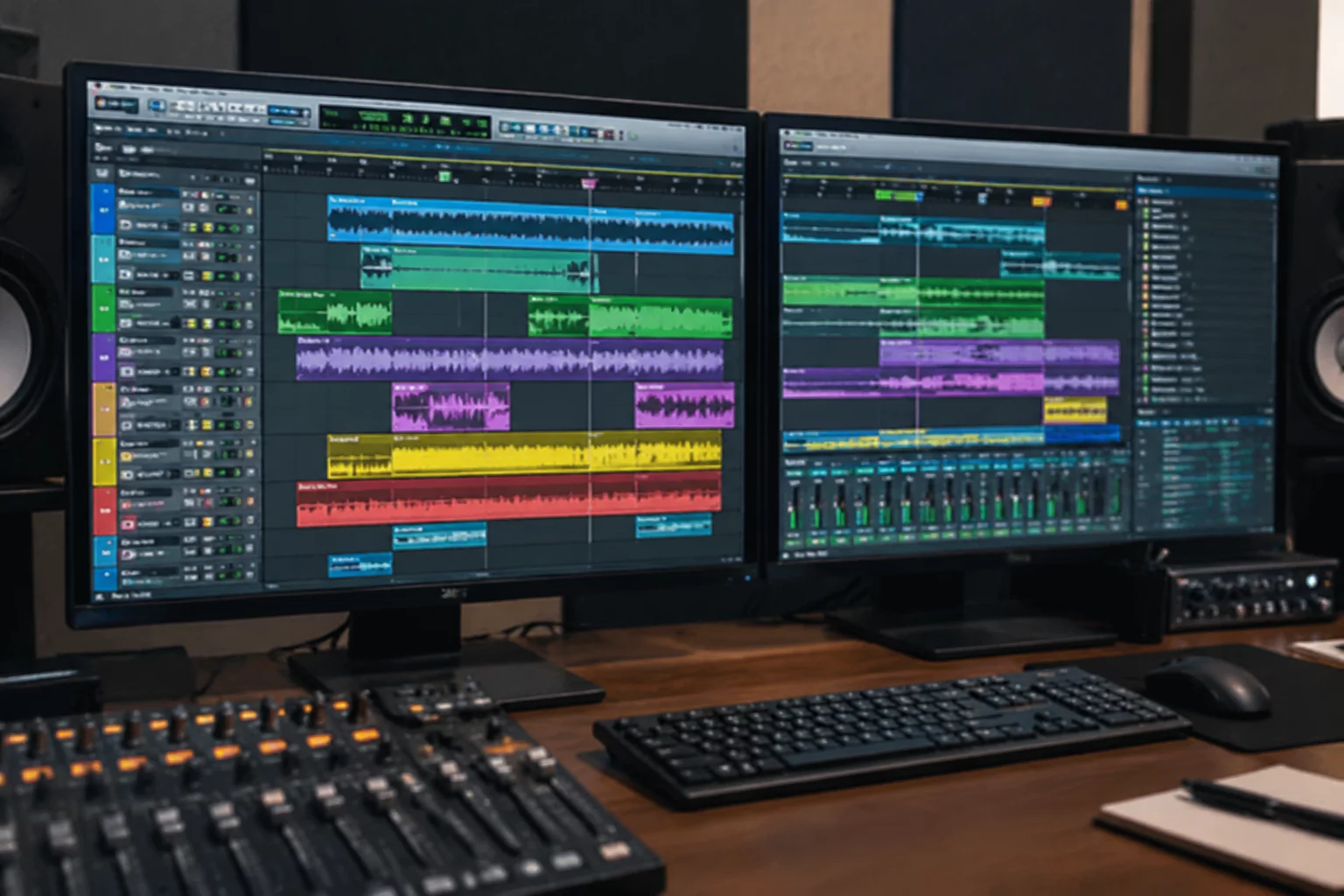
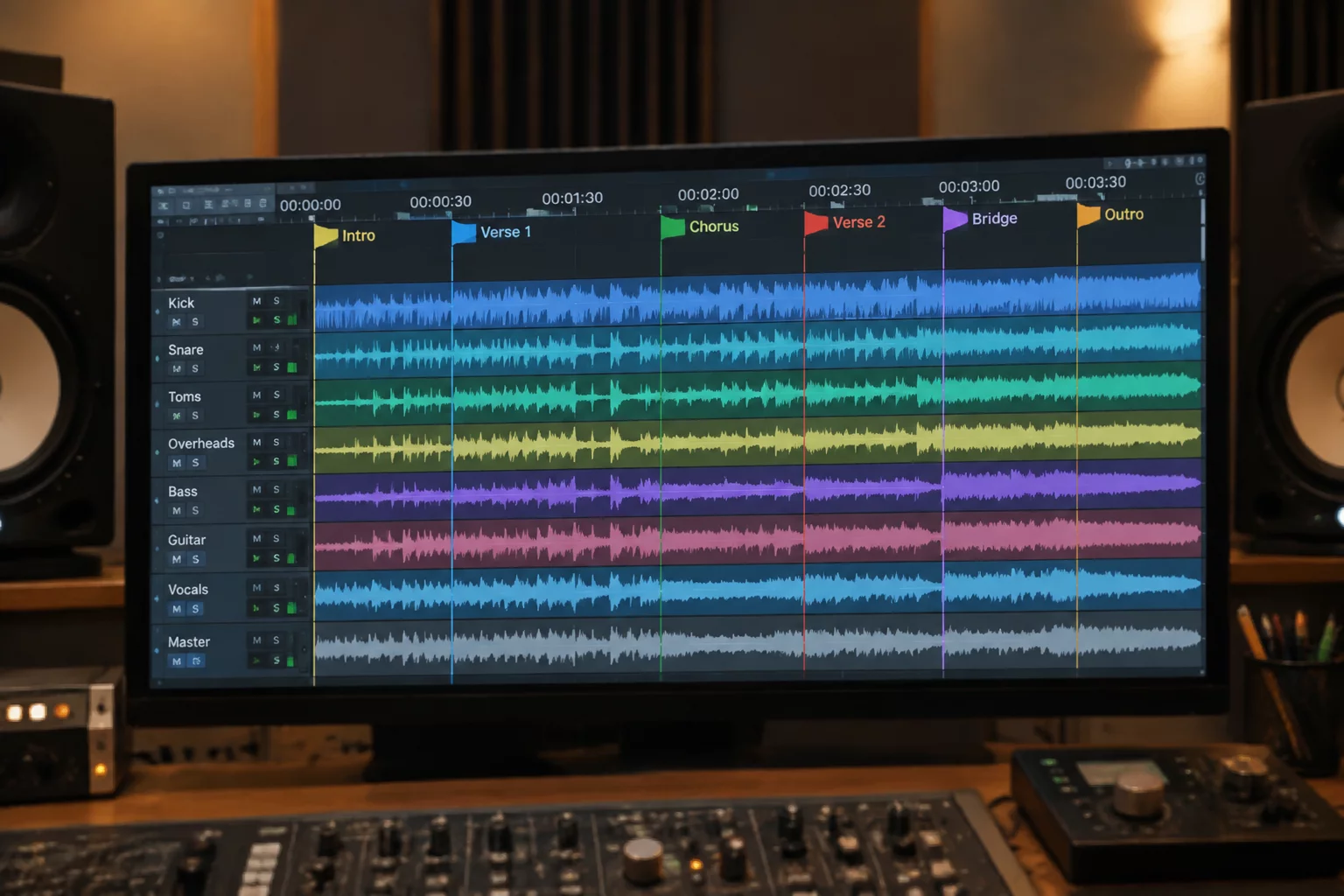
Rather than relying on a single master file scan after bounce, engineers anchor dedicated compliance markers across the session timeline. Setting timeline markers at narrative dialogue entry points, high-impact battle sequences, and quiet ambient interludes gives the re-recording mixer immediate visibility into localized short-term loudness (3-second window) and momentary spikes. Pinning a dedicated 'QC Compliance' audio or aux track allows the engineer to place track markers directly aligned with isolated dialogue stems, verifying that non-speech audio does not artifically skew the dialogue-anchored measurement.

Broadcast compliance failures rarely stem from intentional overages; they occur when unanchored background stems distort the dialogue gating algorithm during unattended QC ingest.

Verification Discipline for Stem Package Handoff

When preparing stems for vault closeout, the delivery package must reflect the exact sums of its individual constituents. A common failure in QA ingest is summing M&E (Music & Effects) with dialogue tracks only to discover that the combined program exceeds the integrated LUFS limit by 1.8 LU due to inter-bus summing dynamics. Following these strict guidelines eliminates handoff discrepancies:

  • Lock dedicated Track Markers with target readings at the head of every stem print track (DX, FX, MX, BG).
  • Document dialogue-isolated integrated LUFS separately from full-mix program integrated loudness in the marker commentary.
  • Verify that maximum true peak across all channels does not breach -1.0 dBTP (or -2.0 dBTP for lossy distribution encodes).

Documenting these measurements directly on the timeline turns the session into a self-verifying legal deliverable. The receiving dubbing editor or network sound supervisor does not have to guess which metering algorithm was utilized or whether downmixing was factored into the delivery sign-off.
Technical Compliance Specifications

Standardized parameters established for delivery closeout, timeline marker documentation, and stem compliance validation.

Integrated Loudness Target
-23.0 LUFS (EBU R128) / -24.0 LKFS (ATSC A/85) ±0.5 LU
Maximum True Peak (dBTP)
-1.0 dBTP Linear PCM (-2.0 dBTP Lossy/Streaming Deliverables)
Dialogue Gating Standard
ITU-R BS.1770-4 relative gate (-10 LU) with speech-anchor mode
Timeline Marker Protocol
Track Marker pinned to Print Stem Bus with QC Verification Slate

QC Sign-off & Verification Steps

Complete these three rigorous verification stages before applying final session lock and closing out archival deliverables.

01

Calibrate ITU-R BS.1770 Metering & Dialogue Anchor

Insert validated broadcast meter across the 5.1/Stereo Master stem busses. Reset integrated buffers and run the complete reel pass to confirm dialogue gating remains within delivery margins.

02

Place Track Markers at Boundary & Peak Deviations

For any momentary loudness peaks exceeding -18 LUFS or short-term dialogue dips below -27 LUFS, place an anchored Track Marker detailing timecode, stem group, and gain trimming action.

03

Validate Stem Summation and Export QC Slate

Sum print stems back into a monitor auxiliary track. Verify total program integrated loudness matches the print master within 0.1 LU and print the values into session marker notes.

Standardize Your Broadcast Delivery Markers

Explore the comprehensive guide to Track Markers, vertical track pinning, and session turnover workflows in Pro Tools.

Frequently Asked Questions

External PDFs easily become separated from audio media archives during transfers between facility vaults and client drives. Placing Track Markers directly on the audio tracks in the session embeds the measurement metadata, measurement standard, and timestamp directly in the editorial timeline.

Program loudness measures the entire audio content across the entire timeline using relative gating (-10 LU below un-gated level). Dialogue-anchored loudness uses speech detection algorithms to ignore music and sound effects passages, measuring only dialogue segments to ensure consistent vocal clarity on television broadcasts.

Rather than applying blanket heavy master limiting which crushes audio transients, pinpoint the specific sub-stem causing the inter-sample violation using a Track Marker. Adjust clip gain or local track limiting on that specific sound effect or percussion layer before final stem re-print.

Topic Tags: #BroadcastCompliance #EBUR128 #DialogueGating #TruePeakQC

Elena Rostova

Fieldbook Contributor

Elena Rostova is a senior post-production audio engineer and dialogue supervisor specializing in episodic television delivery, ITU-R BS.1770 loudness calibration, and multi-facility editorial workflows.

Engineering Notes & Discussion

Marcus Vance
Lead Re-Recording Mixer
Verified Session

Anchoring the dialogue gating markers directly onto our DX stem aux track caught a 2.4 LU divergence before print master delivery to the network. Having the BS.1770 reference locked at the head of the track saved our QC department hours of manual re-metering.

Leave Field Note